Learn How to Kill Crabgrass on Your Lawn for Good
It’s frustrating to see your gorgeous green lawn invaded by sprawling patches of everyone’s least favorite weed. Crabgrass. If you’ve dealt with it before, you know eliminating crabgrass can be difficult.
The good news? You can win this fight. But understanding this pesky weed and knowing the correct timing of crabgrass preventer is extremely important. That’s why the lawn care experts at Fairway Lawns are sharing all the details and tips you need.
What Is Crabgrass?
Crabgrass is a summer annual, meaning it germinates in spring, runs wild through the warm months, and technically dies when the ground freezes. However, before it dies, a single crabgrass plant can drop thousands of seeds.
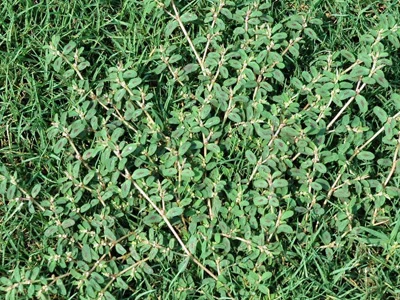
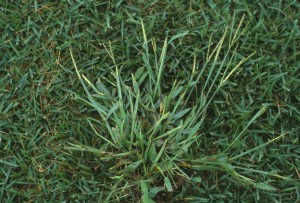
The name comes from how it looks: flat, low to the ground, spreading outward from a central point like the legs of a crab. It’s a grass-like weed, which is part of what makes it so sneaky. Even worse, it grows quickly and crowds out the turf you actually want.
Misidentification is common, and some crabgrass preventers can seriously damage other turf types. Look for these telltale signs of crabgrass:
- Wide, flat blades that are noticeably broader than typical lawn grasses
- Light or yellowish-green color
- Hairy leaves with fine, visible hairs along the stems and edges
- Low, sprawling growth habit
- Longer stems than the surrounding grass
When in doubt, snap a photo to show your local lawn care professional. There are lookalikes, like goosegrass, that require slightly different approaches.
When to Apply Crabgrass Pre-Emergent
Applying a pre-emergent crabgrass herbicide is a must for weed control. This creates a barrier in the soil that prevents crabgrass seeds from germinating and establishing roots. So the timing is everything.
The most reliable cue is soil temperature. When the soil is 55–60°F at a depth of about two inches, crabgrass seeds start germinating. That’s your window. Get a soil thermometer from a garden center or hardware store to remove the guesswork.
If you’d rather look to nature, pay attention to your flowering shrubs:
- Forsythia blooms a few weeks before crabgrass germinates in USDA Zones 5 to 8. When forsythia starts fading, start thinking about pre-emergent.
- Lilacs bloom right around the time crabgrass germinates in USDA Zones 3 to 7. Lilacs blooming means you’re at or very near your application window.
Regional timing varies more than people expect. If you’re in the South or warmer climates, your window opens earlier (sometimes February or March) and the pressure season is longer.
In the Midwest and transition zone, the main window is typically April, and split applications are common because the germination period stretches out. Up in the northern states, soil warms slowly, so late April or even early May is often appropriate.
Also, keep in mind that a lawn in full sun warms up faster than a shaded area under trees. The sunny side of your property might need treatment earlier than the shaded back corner.
Split Application Strategy
Another idea is applying pre-emergent twice in spring rather than just once. The logic is simple. Crabgrass germinates in waves as soil temperatures fluctuate, so a single application may not provide enough residual protection to cover the full germination window.
A typical split-application approach:
- First application at your earliest timing cue (soil at 50–55°F)
- Second application 6–8 weeks later
Crabgrass Pre-Emergent Options
Pre-emergent herbicides come in granular and liquid forms, with a handful of active ingredients that show up most often on store shelves and in professional programs.
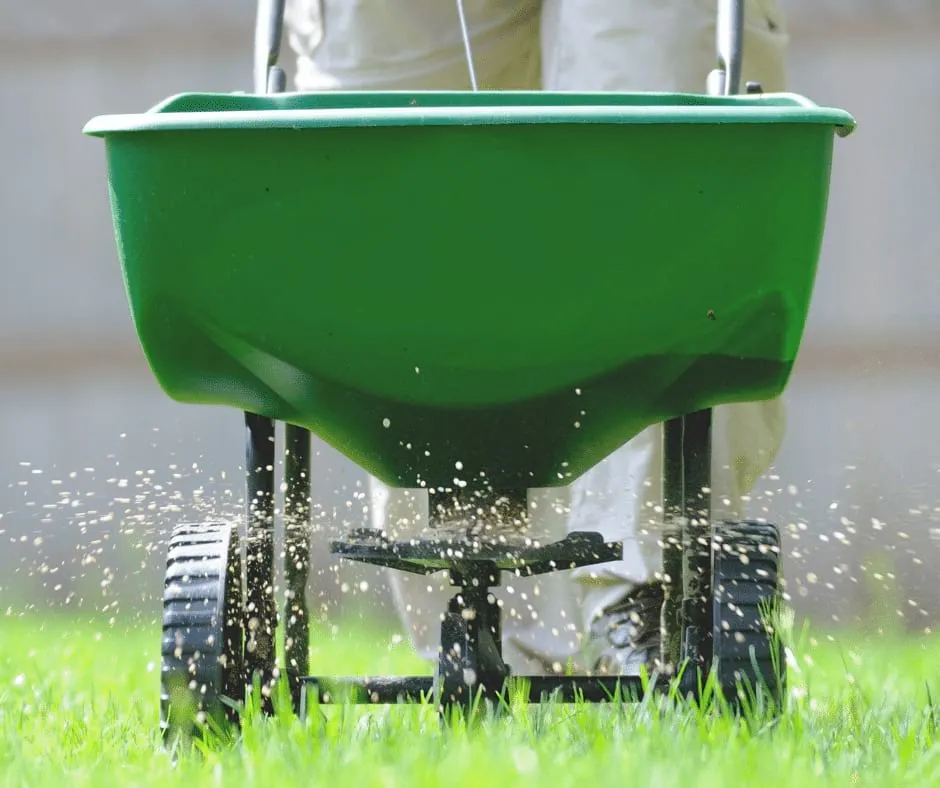
Granular products are easier for most homeowners to apply with a standard broadcast spreader. The downside is that they need to be watered in to activate, so rain or irrigation within a few days of application is important.
Liquid pre-emergents are faster-acting and often provide more even coverage, but they require a sprayer, and application consistency matters more. Many professional lawn care services prefer liquid applications for this reason.
When to Avoid Using Pre-Emergent
Pre-emergent herbicides stop crabgrass seeds…and germination in general. Which means if you apply pre-emergent and then try to seed your lawn, your new grass seed will likely fail to germinate.
If you plan to overseed in spring, skip the pre-emergent. Focus on getting your turf thicker through seeding, aerate in fall, and address the crabgrass with a different strategy.
For new lawns or recently seeded areas, wait until the grass has been established and mowed multiple times before applying pre-emergent. The general rule of thumb is to wait until after three or four mowings on new turf.
How to Kill Crabgrass That’s Already Growing
Did you miss the window? Or maybe you bought a house mid-season and inherited someone else’s crabgrass problem. Either way, it’s not hopeless, just a little more difficult.
Best Time to Treat Crabgrass
Young plants are your best target. If you catch it in late May or early June, you’re in a much better position than someone dealing with sprawling mats in August.
Post-Emergent Options
- Quinclorac is the most widely used selective post-emergent for crabgrass. “Selective” means it targets crabgrass without killing your turf, but check the label, because it’s not safe on all grass types. Plus, some warm-season grasses can be sensitive.
- Fenoxaprop is another selective option, used more often by professionals.
- Glyphosate is the nuclear option. It kills everything it contacts, including your grass. Use it only for spot treatment when you’re prepared to reseed the area afterward.
Spray & Treatment Tips
- Don’t mow right before or right after spraying post-emergents. Mowing reduces leaf surface area, which reduces how much herbicide the plant can absorb. Give it at least 48 hours before and after treatment.
- Coverage matters a lot with crabgrass. Because it grows low and wide, you need to get good contact with the leaves.
- Expect to treat multiple times. Mature crabgrass often requires more than one application after 7 to 10 days.
Healthy Lawn Habits That Make Crabgrass Less Likely
Spraying crabgrass preventer every spring and then ignoring everything else isn’t the best idea. Real crabgrass control happens with a lawn that’s thick, healthy, and competitive enough to crowd out crabgrass.
Mow high. This one simple habit does a lot of heavy lifting. It shades the soil surface and keeps it cooler, slowing crabgrass germination. It also signals to the grass to develop deeper, stronger root systems.
Water deeply and less often. Frequent shallow watering keeps moisture near the surface, which is exactly where crabgrass seeds sit. Deep, infrequent irrigation (about an inch per week) encourages turf roots to chase moisture downward and builds resilience.
Aerate. If your soil is compacted, grass roots struggle. However, crabgrass loves it. Annual aeration opens the soil, improves drainage, and helps fertilizer and water reach where they’re needed.
Get a soil test. If your pH is off or you’re deficient in key nutrients, no amount of crabgrass preventer will fully fix the problem. A soil test tells you exactly what your lawn needs.
Corn gluten meal: This is an organic, pre-emergent option that gets a lot of attention. It’s not as reliable as synthetic pre-emergents, but it works when applied consistently over several seasons and at the right rate.
Your Seasonal Crabgrass Control Plan
Spring
Monitor soil temperature and get your pre-emergent down at the right time. Consider a split application if your spring is long and warm. Start mowing high from the first cut of the season.
Summer
If crabgrass breaks through despite prevention, spot-treat early with a post-emergent. Maintain proper lawn watering. Avoid scalping the lawn during heat stress.
Fall
This is one of the most important seasons for next year’s success, especially for cool-season lawns. That’s because it’s the best time to overseed any thin or bare areas. Aeration and fertilization are key lawn care tasks for every region to help minimize the crabgrass invasion come spring.
Why Didn’t Your Crabgrass Preventer Work?
If you applied pre-emergent and crabgrass still showed up, you’re probably wondering where things went wrong. These are the most common culprits.
- Applied too early. The product lost its effectiveness before the bulk of germination happened.
- Applied too late. Seeds had already germinated. Pre-emergent is powerless against plants that are already up.
- Didn’t water it in. Granular products in particular need rainfall or irrigation to activate.
- Uneven coverage. Stripes and misses from a spreader leave gaps where crabgrass has free rein. Calibrate your spreader, walk at a consistent pace, and overlap your passes slightly.
- Soil was disturbed after application. Aerating, dethatching, or digging after applying pre-emergent can break the herbicide barrier.
- Wrong rate or dilution. Applying too little is a common DIY mistake, so be sure to follow the label precisely.
- The lawn itself is the problem. If your turf is thin, stressed, or growing in heavily compacted soil, pre-emergent can only do so much. Address the underlying conditions.
Crabgrass FAQs
-
Will pre-emergent help if crabgrass is already everywhere?
No. Once plants are actively growing, pre-emergent has no effect.
-
Does crabgrass die in winter everywhere?
As a summer annual, yes, crabgrass will die when temperatures drop and the first frost hits. But those seeds it dropped will be waiting for you next spring.
-
Can I apply fertilizer and pre-emergent at the same time?
Sometimes. Many products combine fertilizer and pre-emergent in a single granular application. Just be sure the rates of both components are appropriate for your lawn size, and water in after applying.
-
Can I overseed and use pre-emergent at the same time?
No. Most pre-emergents will prevent your grass seed from germinating just as effectively as they prevent crabgrass.
-
Does mowing spread crabgrass?
It can. If a crabgrass plant has produced seed, mowing can scatter those seeds to other parts of the lawn.
We Know How to Kill Crab Grass
Crabgrass control requires the right moves at the right time. The pre-emergent window is short, it varies by region, and missing it by even a week or two can mean spending the whole summer playing catch-up.
Want to win the crabgrass battle in your yard? Reach out to the lawn care experts at Fairway Lawns! We proudly serve seven states and dozens of communities, ensuring high-quality lawn care and pest control services across the South:
Huntsville AL
Birmingham AL
Jacksonville FL
Conway AR
Springdale AR
Ft Smith AR
Little Rock AR
Augusta GA
Tulsa OK
Columbia SC
Greenville SC
Charleston SC
Knoxville TN
Nashville TN
Memphis TN
Blog Contributor: Greg Davis
Greg Davis serves as the Birmingham Branch Manager for Fairway Lawns and brings 38 years of lawn care experience. His perspective is built on decades of helping customers improve struggling lawns, training service teams, and focusing on consistent field improvement. His experience makes him a valuable contributor on lawn health, weed control, team development, and customer service best practices.