Our Services - Pest Control
Fairway Lawns provides flea control services designed to help stop active infestations, treat the areas fleas are using, and make the property feel comfortable again.
A good flea control plan should deal with more than the fleas you happen to see first.
Flea infestations are easier to control when the service follows a clear step-by-step plan. Fairway Lawns uses a process built around inspection, targeted treatment, follow-up, and prevention.
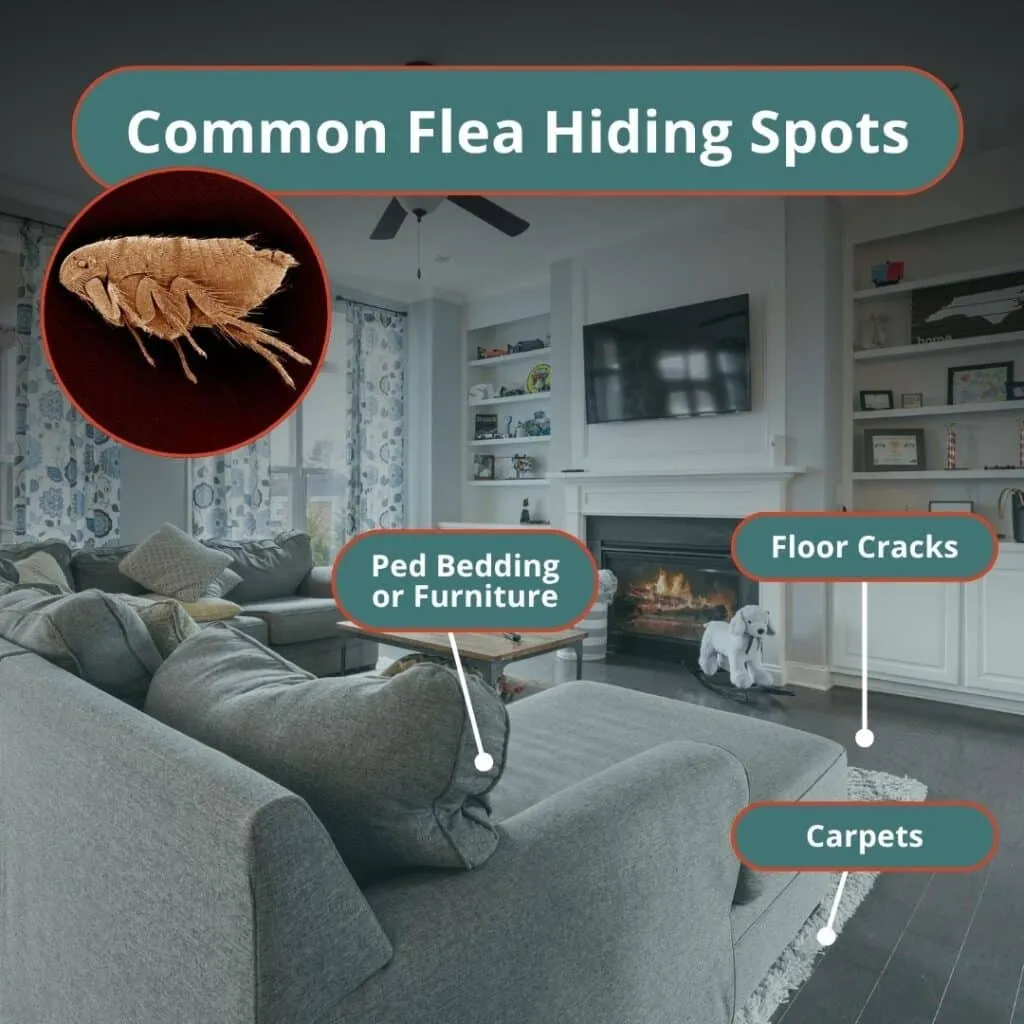
Every flea control service starts with a close look at the property. We inspect the areas where fleas are most likely to be active, including carpets, rugs, furniture, pet bedding, floor edges, cracks, shaded yard areas, and spaces where pets rest or move frequently. This helps us understand how widespread the issue is before treatment begins.
Once activity is identified, we look at how severe the infestation appears to be and whether it is mostly indoors, outdoors, or both. Flea problems often involve more than one area, especially when pets move between the home and the yard, so understanding the full pattern helps shape the treatment plan.
After the inspection, we recommend the service approach that best fits the property and the flea pressure we found. In many cases, Fairway Lawns can assess the issue and begin treatment during the same visit, which helps move the process forward faster when the infestation is active.
Treatment is applied to the areas where fleas are living, moving, and developing. That may include interior treatment in flea-prone spaces, outdoor treatment in shaded or protected zones, and methods selected to address both active fleas and the stages that come after them.
Because flea treatment often involves areas where people and pets spend time, clear instructions matter. Our team explains any precautions that should be followed, including when treated areas can be used again and any preparation or follow-up steps that will help the treatment work more effectively.
Once the infestation is being brought under control, prevention becomes a big part of keeping it from returning. That may include cleaning routines, pet-related recommendations, treatment timing, and managing the areas around the property that allow fleas to persist.
Fleas are small, but they can make a home feel uncomfortable fast.
A flea infestation can change the way a home or business feels almost immediately. Rooms become harder to relax in. Pets stay irritated. People start avoiding certain carpets, furniture, or areas of the yard because they know they will be bitten there.
The hard part is that fleas often keep developing out of sight. Store-bought products may knock down some visible adult fleas, but if eggs and immature stages are still present, the problem can continue. That is why professional flea control matters. The service needs to look beyond the fleas jumping right now and account for the broader cycle happening around the property.
Fairway Lawns approaches flea control with that bigger picture in mind, helping target the active infestation while also reducing the conditions that let it continue.
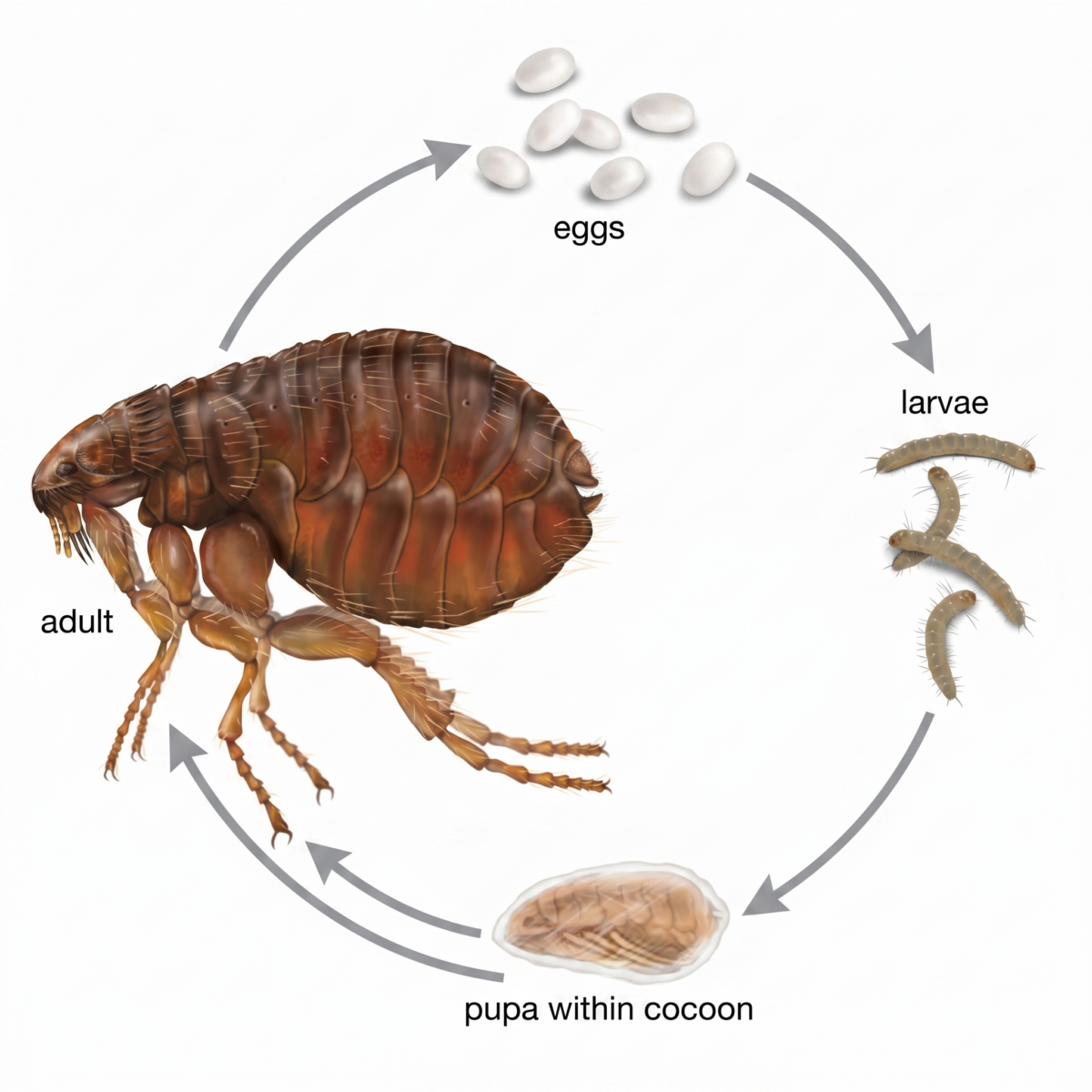
Fleas are difficult to control because they do not all exist in the same stage at once. Adults may be active on pets or in flooring and furniture, while eggs, larvae, and pupae remain tucked away in protected areas.
Tiny white eggs that often fall off pets into carpets, bedding, furniture, and floor cracks where they continue developing.
Small worm-like larvae that avoid light and feed on organic debris in protected areas like carpet fibers, floor edges, and pet resting zones.
Cocooned stage where fleas can remain dormant until conditions and host signals trigger them to emerge as active adults.
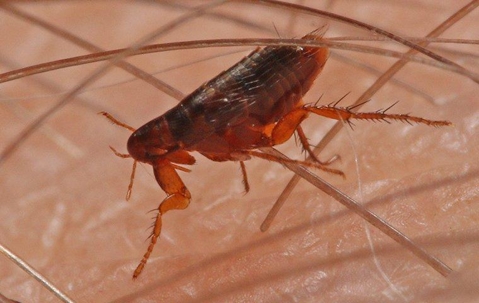
Adult fleas are the ones people usually notice jumping or biting, but they represent only a portion of the total infestation.
The problem often starts where pets rest, but it rarely stays limited to one spot.
Fleas tend to collect in places that give them warmth, protection, and access to hosts. Indoors, that often means carpets, rugs, upholstered furniture, pet beds, floor cracks, and baseboard edges. In heavier infestations, they may spread into several rooms instead of staying near the original source.
Outdoors, fleas often show up in shaded or protected spaces where pets spend time, where wildlife may pass through, or where the ground stays more insulated from direct sun. Covered patios, kennel zones, under decks, and shaded perimeter areas can all contribute to outdoor flea pressure.
That is why a proper flea control program looks at the whole property, not just the place where the bites were first noticed.
Fleas are a comfort issue, but they can also become a bigger household problem if the infestation keeps growing.
Flea bites can leave people and pets uncomfortable, itchy, and irritated, especially when the activity is concentrated in the areas used most often.
Pets dealing with fleas often scratch more, seem restless, and spend more time irritated than usual. Even light flea pressure can become a major issue for pets that are more sensitive.
A flea issue that starts in one room can spread through the house if it is not addressed. Once eggs and immature stages build up in different areas, the problem becomes harder to contain.
Without a complete plan, fleas may seem reduced at first and then reappear again. That repeated cycle is one of the main reasons people move from DIY efforts to professional service.
Flea treatment works best when the inside and outside of the property are both considered.
Some flea infestations are mostly indoors. Others are strongly connected to the yard, pet runs, shaded perimeter areas, or wildlife activity near the structure. In many cases, it is a mix of both.
Fairway Lawns looks at how the property is being used and where the flea pressure is strongest. If pets move in and out regularly, outdoor treatment may be just as important as what happens indoors. If the infestation is concentrated in carpets, furniture, and pet bedding, interior treatment becomes a bigger focus.
The point is to build a plan around the infestation you actually have, not around assumptions.
Flea control usually goes better when a few practical steps happen alongside treatment.
Professional flea treatment is a major part of controlling the infestation, but there are also steps property owners can take to support the process.
Pet bedding, blankets, and washable fabric items in active areas should be cleaned regularly to help reduce flea pressure.
Vacuuming carpets, rugs, floor edges, and furniture can help reduce flea activity and remove debris in the places fleas tend to collect.
Pets often play a major role in how fleas move through a property. Consistent veterinary-approved flea prevention can support better long-term control.
Shaded pet areas, debris buildup, and protected outdoor spots can help fleas persist. Keeping those spaces cleaner can make them less favorable.
Your technician may recommend certain preparation or follow-up steps based on the treatment used. Following those instructions helps improve the overall result.
Most flea questions come from people who are already tired of chasing the problem from room to room.
If fleas are showing up in the house, bothering pets, or making parts of the property harder to use, Fairway Lawns can help inspect the problem and build a treatment plan that fits the infestation.
Request a flea control quote today and get professional help built around inspection, targeted treatment, follow-up care, and practical prevention.