Little Rock weeds don’t need much time once the lawn gets stressed.
Weed control services in Little Rock, AR help cut down weed pressure, keep turf from getting crowded out, and bring back a cleaner look in lawns dealing with heat, humidity, and fast-changing weather.
In Little Rock, weeds usually spread after the lawn hits a rough stretch.
Weeds take advantage of tired turf. When grass thins out from summer heat, heavy rain, compacted soil, or uneven watering, weeds find bare space and move in. That is why weed control is not just about getting rid of what you see today. It is about protecting turf so it can hold its ground tomorrow.
Little Rock lawns often deal with long hot periods and bursts of rain that can change the soil quickly. Some areas dry out and crack. Other areas stay damp and soft. Either way, turf can weaken, and weeds can spread through the openings.
Fairway Lawns provides weed control services in Little Rock, AR that are built for Central Arkansas conditions. We pay attention to the turf, the timing, and the specific places weeds like to start.
Our weed control services are designed to address active weeds while reducing the chance of the next outbreak.
Pre-emergent treatment helps reduce certain weeds before they establish. In Little Rock, that can help prevent heavy weed breakthrough once the season warms up and growth accelerates.
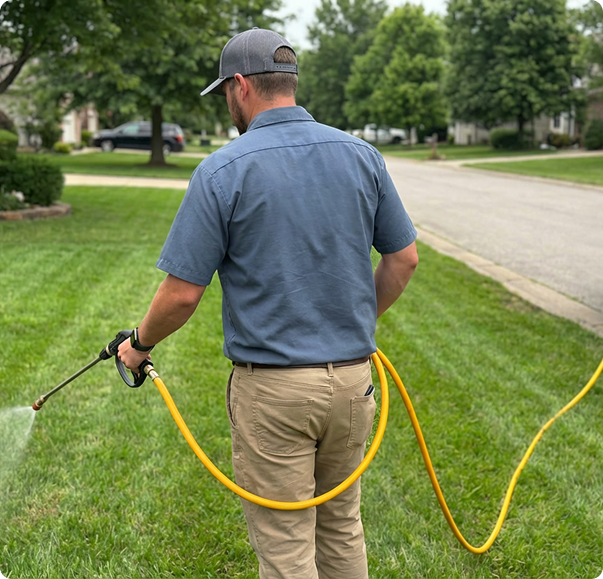
Post-emergent treatments are used to control weeds that are already growing, especially when weeds are spreading in visible patches.
Broadleaf weeds can spread quickly across thin turf and stand out even after mowing. These weeds often move into stressed zones first.
Grassy weeds can be aggressive in warm weather and can take over sunny areas when the turf is weakened. They often show up along driveway edges and open patches.
Many Little Rock lawns have a few recurring “hot spots,” like a low corner, a sunny strip, or a compacted section near the sidewalk. Spot treatment helps focus attention where the weeds actually live.
Little Rock lawns often face weed pressure in waves. Seasonal prevention helps reduce how much gets established between treatments.
When turf is thin, weeds have an advantage. Supporting turf growth can help the lawn compete better over time.
Weather can shift quickly here. Follow-up helps keep the plan working when conditions change.
Weed control is lawn care, because weeds change how the lawn grows and recovers.
When weeds fill in, grass has less room to spread and less access to resources. That can leave the lawn looking uneven and feeling harder to manage. It can also create a frustrating cycle: the thinner the turf gets, the easier it is for weeds to return.
In Little Rock, that cycle often shows up in:
· compacted soil zones, especially in newer builds
· hot edges near sidewalks, driveways, and curbs
· low spots after storms where soil stays wet
· areas with irrigation gaps that leave turf weak
· high-traffic paths near gates, patios, and play areas
A good weed plan helps the lawn reclaim space and keeps the turf from losing more ground season after season.
Knowing what weed you’re dealing with is half the battle in Little Rock.
Little Rock lawns can face both broadleaf and grassy weeds, plus moisture-driven weeds that keep returning when conditions stay the same.
Broadleaf weeds often spread into thin turf and stand out visually. They can flare up quickly when turf density drops.
Grassy weeds tend to spread fast once established, particularly in hot weather and sunny areas. They can disrupt the lawn’s texture and crowd out turf.
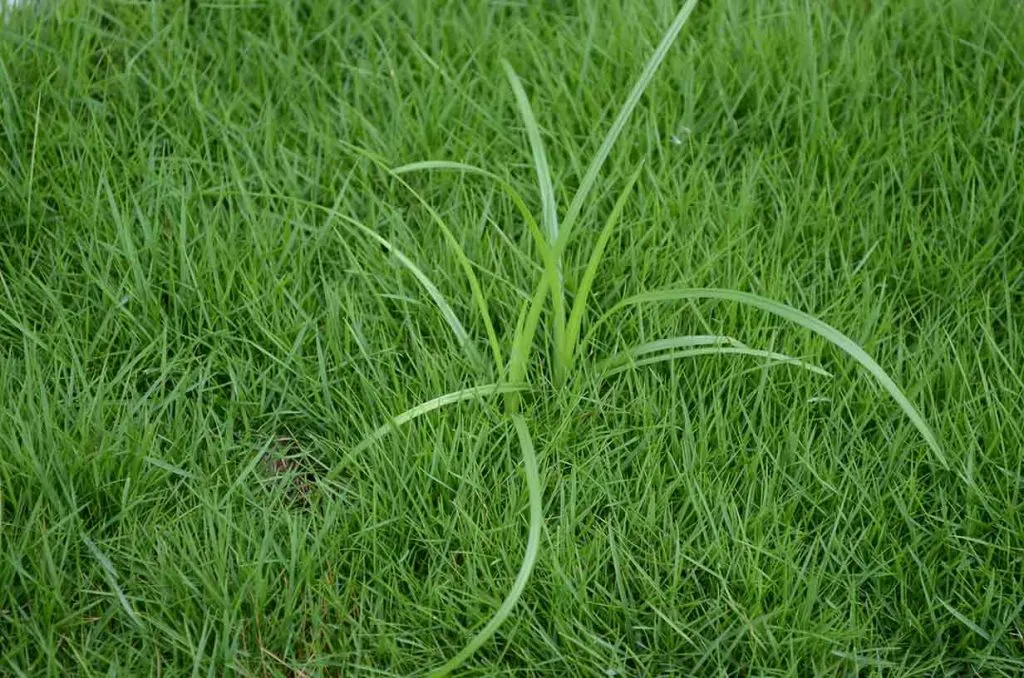
Nutsedge and similar weeds often point to water patterns. Treatment helps, but the lawn’s moisture conditions matter too.
Weeds along hard edges can make a property look rough even when the main lawn is improving. These areas often need specific attention.
Weed control holds up better when there’s a clear sequence and follow-through.
We keep weed control structured so it is easier to see progress.
We review turf condition, stress areas, drainage behavior, sun exposure, and where weeds are concentrating.
We identify weed types so timing and treatment match the problem.
We build a plan based on lawn conditions, turf type, season, and severity of weed pressure.
Treatments are applied based on need, with a focus on controlling weeds while supporting turf performance.
We track results and adjust when the season or weather pattern changes.
Some lawns need a one-time correction. Others do better with ongoing support because pressure returns with predictable seasonal stress.
Pre-emergent weed control helps reduce certain weeds before they establish. It is one of the most effective ways to keep weed pressure lower throughout the season.
Pre-emergent treatments help reduce germination and establishment for specific weeds, which can limit future spread.
Little Rock warms up fast and can stay hot for long stretches. Timing prevention around local conditions helps the lawn get more benefit.
Helps reduce early breakthrough before weeds spread aggressively.
Supports the lawn during high-stress heat periods when turf can thin and weeds can expand.
Helps reduce later-season weed pressure and keeps the lawn cleaner heading into the next cycle.
During mild stretches, weeds can still establish in thin turf areas.
Weed control in Little Rock is seasonal because the pressure shifts with the weather.
Spring is a key time for prevention and early control before weeds gain momentum.
Summer is often the toughest stretch. Heat stress, drought periods, and sudden storms can thin turf and open space for weeds.
Fall can bring a different set of weed issues and is a good time to reduce pressure that would otherwise carry into spring.
Growth slows, but weeds can still appear in mild conditions, especially where turf is thin.
The parts of the yard you see most are usually where weeds cause the most frustration.
Front lawns, mailbox strips, and entry paths are where weeds are most noticeable and where turf often takes the most wear.
Backyards see foot traffic, pets, patios, and play. Those patterns can thin turf and invite weeds.
Side yards often struggle with compaction, shade, or inconsistent watering, which can create repeat weed pressure.
Edges are common weed entry points because turf breaks down there faster.
We can help with one-time cleanup or seasonal plans that keep weeds from rebuilding.
When weed pressure is mild and turf is strong, a reduced-input plan may be possible.
A blended strategy can make sense in certain lawns, especially when the goal is steady improvement without overdoing treatments.
We can talk through options and expectations based on your Little Rock lawn and the weed pressure you are dealing with.
Little Rock weed control works best when the plan is built for Central Arkansas lawns, not generic turf advice.
Weed control should be straightforward, including what affects the cost.
Pricing can depend on:
· lawn size and layout
· severity and type of weed pressure
· turf density and stress level
· prevention needs and follow-up frequency
· areas that require focused attention
A lawn evaluation helps determine what is happening and what service level makes sense.
We recommend what fits your lawn instead of pushing a bigger program than needed.
The questions we hear most are from homeowners who want results that actually stick.
If your lawn keeps getting overtaken by weeds, looks uneven after every weather swing, or has the same problem strips year after year, Fairway Lawns is ready to help. We will evaluate your Little Rock property, explain what we see, and recommend a weed control plan that fits your turf and your season.