In Conway, weeds tend to move in right after weather swings or turf stress.
Weed control services in Conway, AR help reduce weeds, support stronger turf, and keep lawns looking more even through Central Arkansas heat and seasonal transitions.
Conway lawns often fight weeds in waves, not just one “weed season.”
Conway sits in that in-between zone where lawns can see both warm-season and cool-season weed pressure. You might battle one set of weeds when spring warms up, then turn around and see a different set once temperatures cool again. Add thunderstorms, humidity, compacted soil in newer neighborhoods, and heavy foot traffic in busy yards, and weeds can stay in the conversation longer than homeowners want.
Weeds are more than an eyesore. They compete with grass for the same resources, and they usually spread fastest where turf is thin or stressed. In Conway, that can be spots near sidewalks and driveways, the strip by the street, areas that dry out first, or low sections that stay damp after rain.
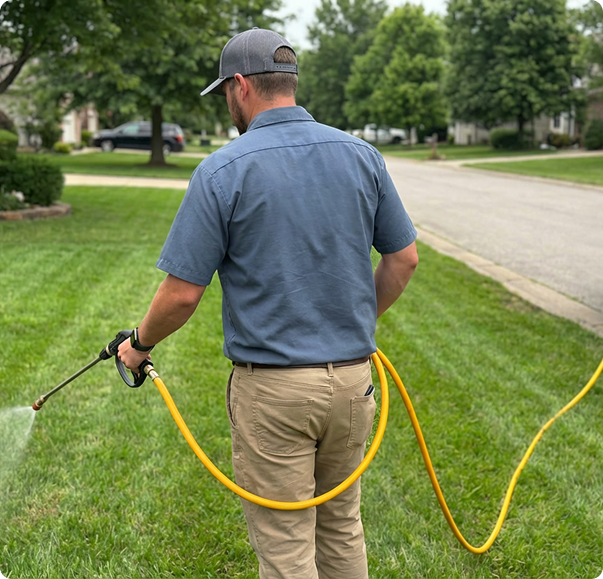
Fairway Lawns provides weed control services in Conway, AR for homeowners who want a plan that actually tracks with how lawns behave here, not a generic approach that resets every time the weather changes.

A quick spray can make weeds look better temporarily, but it rarely solves the underlying pattern. In Conway, weeds often return because the lawn is stressed by heat, compacted soil, inconsistent watering, or seasonal turf slowdowns.
Professional weed control is built around identifying the weed type and treating it at the right point in its cycle, while also helping the lawn stay dense enough to resist the next wave.
DIY attempts commonly fail for a few reasons:
· the product does not match the weed type
· the weed is treated after it has already spread
· follow-up is skipped when the first round looks “good enough”
· thin turf is left thin, which keeps inviting more weeds
A professional plan helps reduce the guesswork. We take into account turf condition, seasonal timing, and whether the issue is mostly broadleaf weeds, grassy weeds, or moisture-driven weeds.
Weed control should not leave the turf looking beaten up. The goal is fewer weeds and steadier turf performance, especially through Conway’s hot stretches and weather shifts.
The weeds you see in Conway often depend on whether the lawn is in a warm-season push or a cooler-season lull.
Conway lawns can deal with a mix of weeds throughout the year, and it is not unusual to see different issues from one neighborhood to the next.
Broadleaf weeds tend to be the most noticeable, especially when they spread across thin turf. Depending on the season, Conway lawns may deal with clover, henbit, chickweed, and dandelion-type weeds, along with warm-season broadleaf pressure after summer storms.
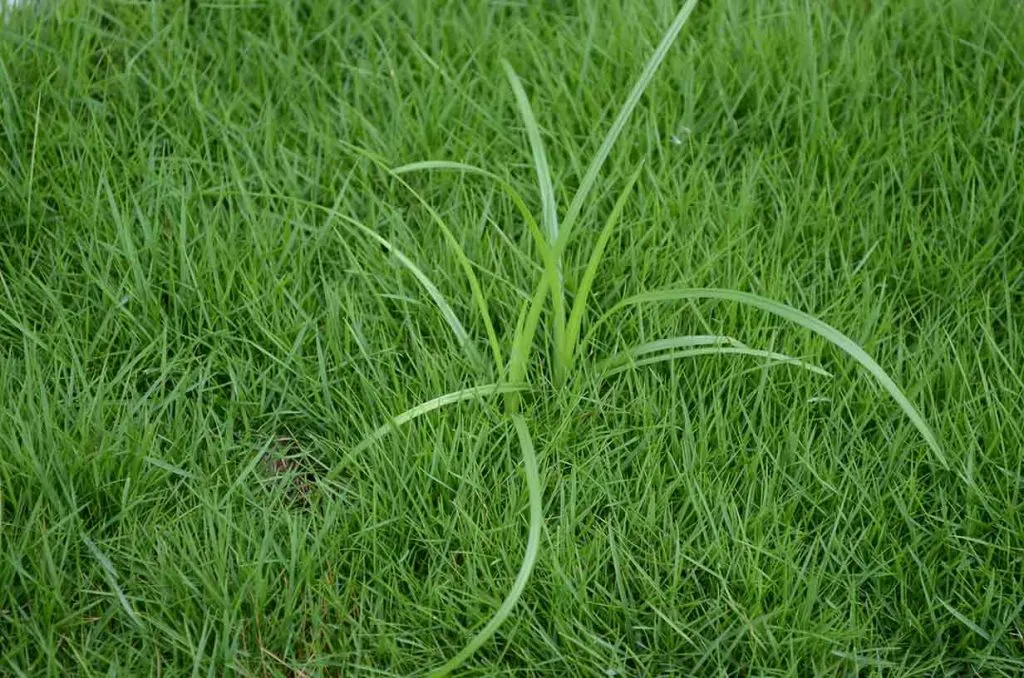
Grassy weeds can blend in early and then spread quickly once established. Crabgrass and goosegrass can be common troublemakers when turf is thin or stressed in sunny areas.
After frequent rain or in lawns with irrigation inconsistency, nutsedge and other moisture-associated weeds can show up, especially in low spots or areas that stay damp longer.
Weeds along driveway seams, walkway edges, and curb lines can make the property look rough even when the main lawn is improving. These areas often need separate attention.
Weed control holds up better when the plan is built around what is happening across the whole yard.
We treat weed control like a lawn-management process, not a one-time reaction.
We review turf density, stress areas, sun and shade patterns, drainage behavior, and where weeds are most active.
We identify the weeds present so the timing and approach match the problem.
Your plan may include prevention, active control, spot treatment, and turf-support recommendations depending on lawn condition.
We treat based on lawn needs rather than using a blanket approach for every property.
Some Conway lawns improve fast. Others need follow-up because weeds keep trying to break through during seasonal transitions.
If you have a specific flare-up, one-time service can help. If weeds return every spring and fall, an ongoing seasonal plan is usually more stable.
Pre-emergent weed control helps reduce certain weeds before they establish. Instead of chasing a lawn full of crabgrass later, prevention can help limit how much takes hold in the first place.
Pre-emergent treatments are designed to reduce germination and establishment for certain weeds, which can lower overall weed pressure later.
Conway’s spring can warm up quickly, but cool snaps can still happen. That back-and-forth affects weed cycles. Timing needs to reflect local conditions, not a generic calendar date.
Helps reduce early weed breakthrough as temperatures rise.
Supports lawns when heat stress can thin turf and open up space for aggressive weeds.
Fall is important in Conway because cooler-season weeds can begin establishing while homeowners are focused on “wrapping up” the lawn year.
Some weeds remain active in mild periods, especially if turf is thin and sunlight reaches bare soil.
Conway lawns need different weed priorities depending on what the season is doing to the turf.
Seasonal weed control keeps the lawn from getting overwhelmed during the peaks.
Spring is when prevention and early correction help the most. It is also when thin areas become obvious, and weeds take advantage.
Summer heat can stress turf, especially in full sun and high-traffic yards. Weed control in summer often focuses on active pressure and keeping weeds from spreading into open spots.
Fall can bring a fresh round of weeds that thrive as temperatures cool. A plan that includes fall care helps keep the lawn cleaner going into the next cycle.
Even when turf slows down, Conway lawns can still see weed activity during mild stretches.
Most Conway weed problems show up where the yard gets used the hardest.
Weed control for a home lawn is not only about what grows in the center of the yard.
The strip by the curb, the walkway to the front door, and the driveway edges often show weed pressure first.
Backyards with pets, kids, or frequent foot traffic can thin out. When the turf loses density, weeds move in.
Side yards can be tricky because they often have shade, compacted soil, or inconsistent watering.
Weeds often creep from bed edges into turf areas when those borders are not managed consistently.
Some homeowners want a one-time cleanup. Others want steady seasonal control so the lawn stays more predictable.
Some properties are a fit for reduced-input or eco-conscious approaches, especially when weed pressure is mild and turf is in decent shape.
When weeds are limited to a few areas, a lower-input plan may be possible.
For some homeowners, a hybrid plan makes sense, using selective treatments while focusing on turf density and lawn resilience.
We can talk through expectations and what is realistic for your lawn, especially in a region where weeds can cycle in more than once a year.
The best weed control in Conway comes from local timing and a plan that does not ignore turf health.
Weed control works best when it is tailored to the lawn and the local growing rhythm.
Homeowners usually want to know the cost, but also what they are paying for and why.
Weed control pricing can vary based on lawn size, weed severity, turf condition, and whether the plan is prevention-focused, correction-focused, or both.
Common factors include:
· lawn size and layout
· weed coverage and type
· turf thickness and stress level
· treatment frequency and seasonal timing
· prevention needs and follow-up needs
A lawn evaluation helps determine what is going on and what kind of service plan makes sense.
We recommend what fits your lawn instead of pushing a one-size program.
Conway homeowners usually ask the questions that come from dealing with the same weeds every year.
If weeds are spreading through your lawn, returning every season, or showing up in the same worn-down areas, Fairway Lawns is ready to help. We will review your Conway property, explain what we see, and recommend a weed control plan that fits your turf, your yard conditions, and the timing that matters here.